Mold Removal
Mold removal is a crucial step in addressing water damage and ensuring a safe and healthy indoor environment. Here’s a guide to effective mold removal:
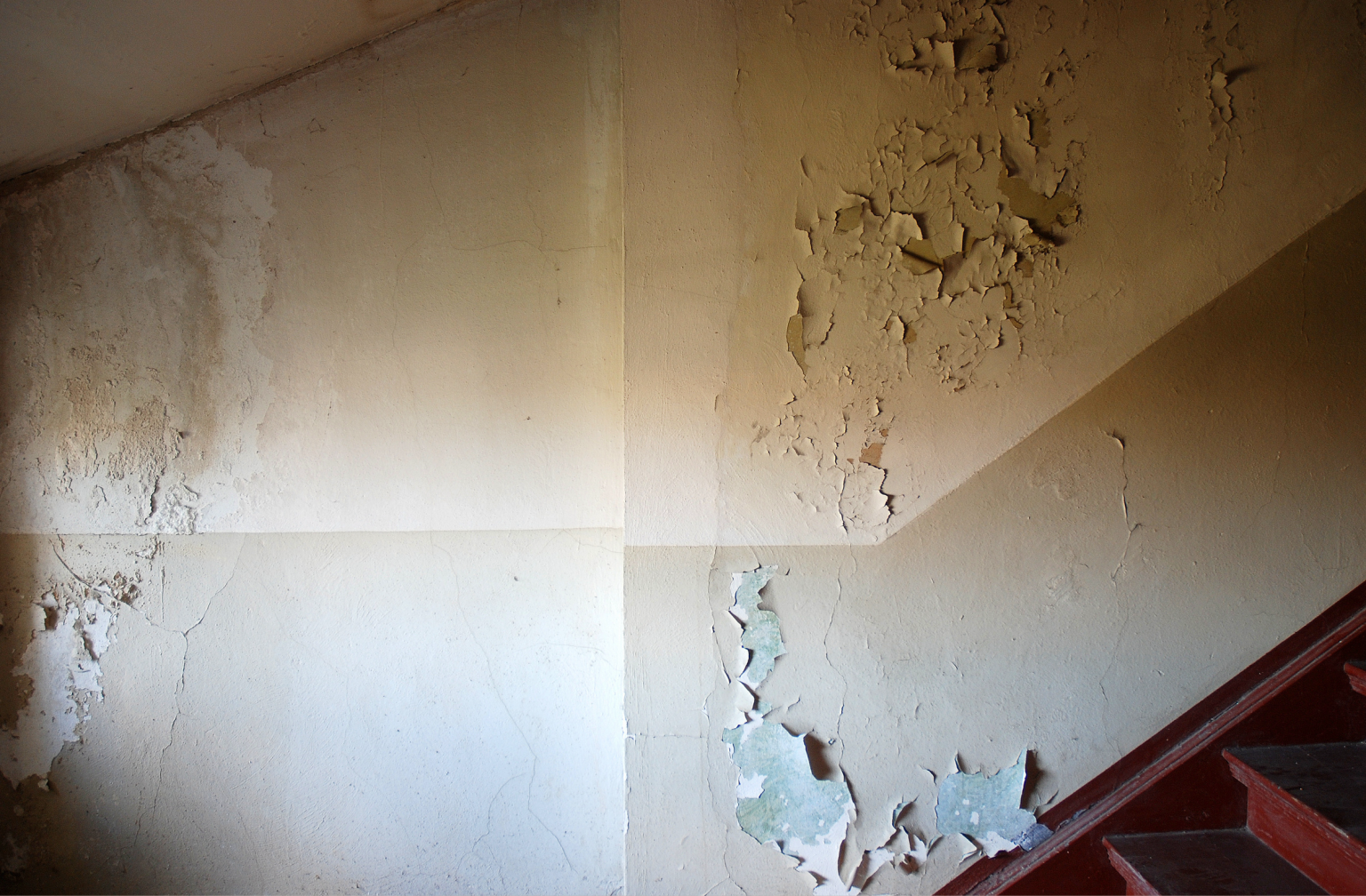
- Assessment: Begin by assessing the extent of the mold contamination. Identify areas affected by mold growth and determine the type of mold present. This assessment will help determine the appropriate removal methods and precautions needed.
- Containment: Before beginning the removal process, contain the affected area to prevent mold spores from spreading to other parts of the building. Seal off doors, windows, and vents, and use plastic sheeting and duct tape to create a containment barrier.
- Personal Protective Equipment (PPE): Wear appropriate personal protective equipment, including gloves, goggles, and a respirator mask, to protect yourself from exposure to mold spores and contaminants during the removal process.
- Moisture Control: Address the source of moisture that led to mold growth, such as leaks or high humidity levels. Fix any water leaks and ensure proper ventilation and dehumidification to prevent mold from returning.
- Mold Removal Techniques:
• Scrubbing: Use a scrub brush and detergent solution to scrub mold off hard surfaces such as walls, floors, and countertops. Rinse with clean water and allow the surfaces to dry thoroughly.
• HEPA Vacuuming: Vacuum mold spores from surfaces using a vacuum equipped with a HEPA (high-efficiency particulate air) filter to capture small particles and prevent them from being released into the air.
• Disposal: Dispose of mold-infested materials such as drywall, insulation, and carpeting in sealed plastic bags to prevent the spread of mold spores. Follow local regulations for proper disposal. - Biocides: In some cases, biocides or fungicides may be used to treat mold-infested materials and inhibit future mold growth. However, these products should be used with caution and according to manufacturer’s instructions, as they can be harmful if not used properly.
- Drying and Ventilation: After removing mold, thoroughly dry the affected area using fans and dehumidifiers to prevent moisture buildup and inhibit mold regrowth. Increase ventilation to promote air circulation and help dry out damp areas.
- Post-Remediation Evaluation: Once mold removal is complete, conduct a final inspection to ensure that all visible mold has been removed and that the affected area is clean and dry. Consider hiring a professional mold remediation company to perform post-remediation testing to verify that mold levels have returned to normal.
- Preventive Measures: Take preventive measures to reduce the risk of future mold growth, such as maintaining proper indoor humidity levels, fixing water leaks promptly, and conducting regular inspections for signs of moisture or mold.
By following these steps and taking appropriate precautions, you can effectively remove mold from your home or building and create a safe and healthy indoor environment. If the mold contamination is extensive or difficult to remove, consider hiring a professional mold remediation company for thorough and safe mold removal.