How Does Fire & Smoke Damage Restoration Typically Work?
Fire and smoke damage restoration typically follows a structured process to mitigate damage and restore affected properties. Here’s how it usually works:
- Assessment and Evaluation: The restoration process begins with a thorough assessment of the damage. Trained professionals inspect the property to determine the extent of fire and smoke damage, identifying affected areas, and assessing the type of smoke residues present.
- Emergency Measures: If necessary, immediate action is taken to secure the property and prevent further damage. This may include boarding up windows, tarping roofs, or addressing any safety hazards.
- Smoke and Soot Removal: Specialized equipment and techniques are used to remove smoke and soot residues from surfaces. This can involve dry cleaning, wet cleaning, or abrasive cleaning methods depending on the type of residue and the materials affected.
- Odor Elimination: Smoke odors can linger long after the fire is extinguished. Restoration professionals employ various methods to eliminate odors, such as thermal fogging, ozone treatments, or using deodorizing agents.
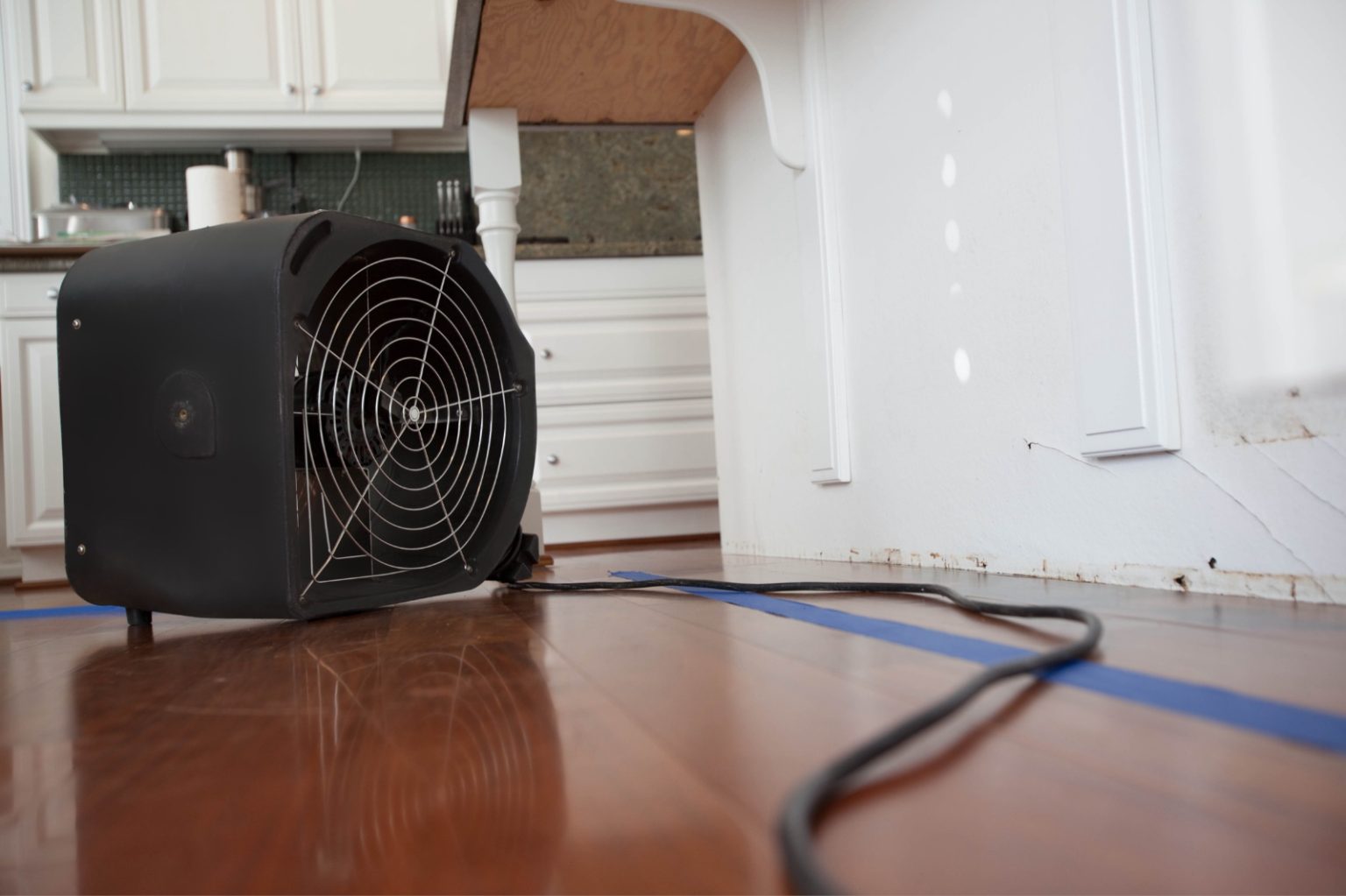
- Water Damage Restoration: Water damage from firefighting efforts is often a concern during fire restoration. Restoration teams address water damage by drying out the property, repairing water-damaged materials, and preventing mold growth.
- Structural Repairs: Once the smoke, soot, and water damage have been addressed, structural repairs are undertaken. This may involve repairing or replacing damaged walls, floors, ceilings, and other structural components to restore the property to its pre-fire condition.
- Content Cleaning and Restoration: Personal belongings affected by the fire and smoke are cleaned, deodorized, and restored whenever possible. Restoration professionals use specialized techniques and equipment to salvage items such as furniture, clothing, and electronics.
- Final Inspection and Documentation: After completing the restoration work, a final inspection is conducted to ensure that all damage has been properly addressed. Documentation of the restoration process is provided to the property owner and any relevant parties for insurance purposes.
Preventing Future Fire Damage:
- Fire Safety Education: Educate occupants about fire safety practices, including proper use of heating appliances, cooking equipment, and smoking materials. Develop and practice a fire escape plan with all occupants.
- Install Smoke Alarms and Fire Suppression Systems: Ensure that smoke alarms are installed on every level of the property and inside each bedroom. Consider installing fire suppression systems such as sprinklers to help contain fires in case of an emergency.
- Regular Maintenance: Conduct regular maintenance on electrical systems, heating, and cooling equipment to prevent malfunctions and reduce the risk of fire. Keep flammable materials away from heat sources and maintain clear access to fire exits.
- Fireproofing Measures: Implement fireproofing measures such as using fire-resistant building materials, installing fire doors, and sealing gaps and openings to prevent the spread of fire.
By following these steps, property owners can minimize the risk of fire damage and ensure the safety of occupants and assets.